
Beverly Goodman-Tchernov
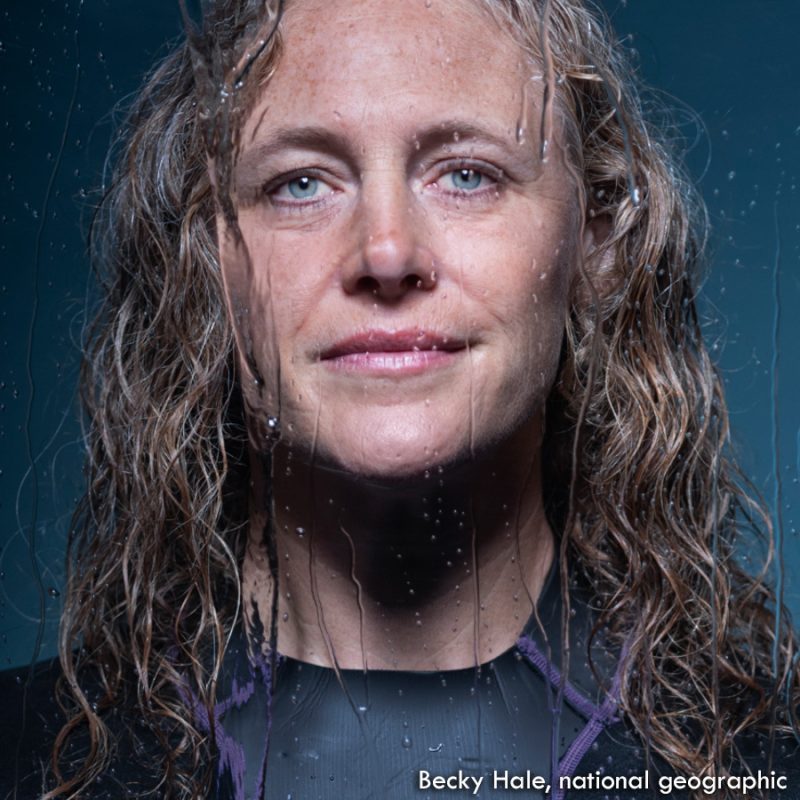
Beverly Goodman-Tchernov blends archaeology, geology and anthropology to explore the complex ways nature and humans interact on coastlines. Her work concentrates on the causes and effects of ancient environmental events like tsunamis and floods in an attempt to better understand what risks are present today and how broader climate-linked trends, such as sea-level change and fluctuations in precipitation, can be recognized in the sedimentary record. As coastal populations increase exponentially, and sea levels continue to rise, these concerns become more acute.
Eynav (Navi) Cohen
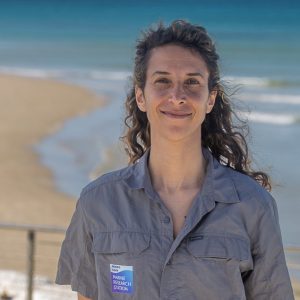
Navi started her Ph.D. with Professor Dani Tchernov and Dr. Aviad Scheinin as part of the Marine Apex Predator Laboratory at the station. During her masters, she was the first to construct of a nucleic data set for O. quekettii (endolithic algae). Identifying the true genotypic diversity of the Ostreobium genus provided an important step toward understanding its symbiotic relationship with its host, the stony coral.
Database hub
The long-term ecological research conducted by the Morris Kahn Marine Research Station is of paramount importance with the onset of increasing water temperatures and the influx of invasive species from the Red Sea. The station has divided its prescient research into five sub-divisions: Apex predators, Water chemistry, Rocky reefs, , Fish pathogens ,and Sediment microbiome. Navigate between the data divisions and download what you need.
Blood Slide Data
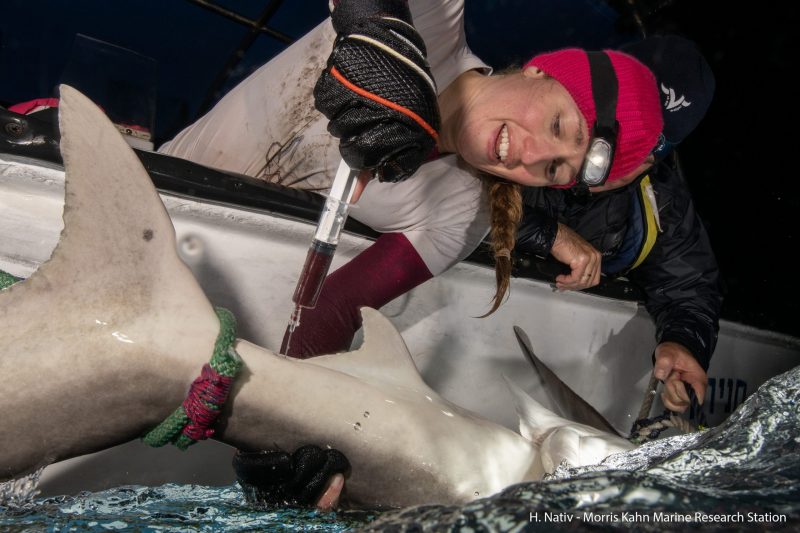
As part of our long-term monitoring of sharks in Hadera, we take blood from the caudal fin through venipuncture. Around 10 μl of blood is used to make a blood slide (also called smear), which is stained using Diff Quick. The cells are then analysed through a microscope at 40 or 100x resolution, and a simple White Blood Differential (WBC count) is calculated (types and amount of wbc in the blood). If…
Just another National Geographic grant!
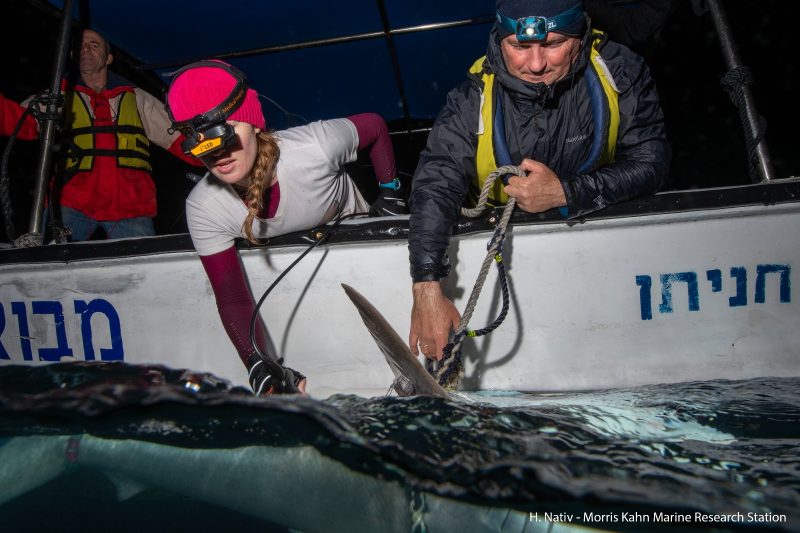
Dr. Aviad Scheinin and Dr. Leigh Livne are project team members *again* for another National Geographic grant, the Meridian grant, titled: "Integrating Research, Storytelling, and Education for Addressing Ecological and Human Dimensions of Shark Conservation.
Summarizing Guitarfish season 2023
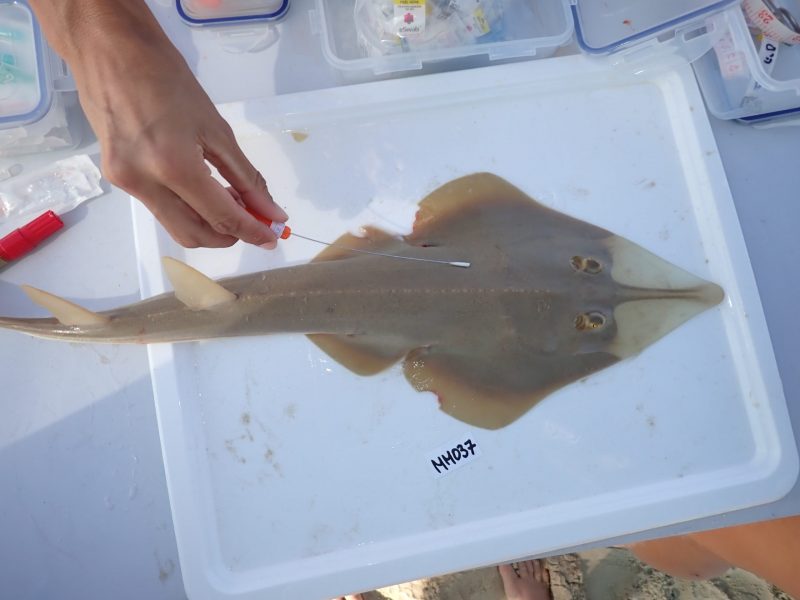
Summarizing Guitarfish season 2023We are very pleased to finish the 2023 G. cemiculus (Blackchin guitarfish) season with 107 neonates measured, tagged, and sampled along both the Israeli and Cypriot coastline. Blackchin neonates are most prevalent from the end of August to the beginning of November in what is referred to as 'hot spots'.Thanks to a collaboration with Blue Marine Foundation and MER Research Institute we organized a research expedition in…
Guitarfish Project’s first expedition to Cyprus
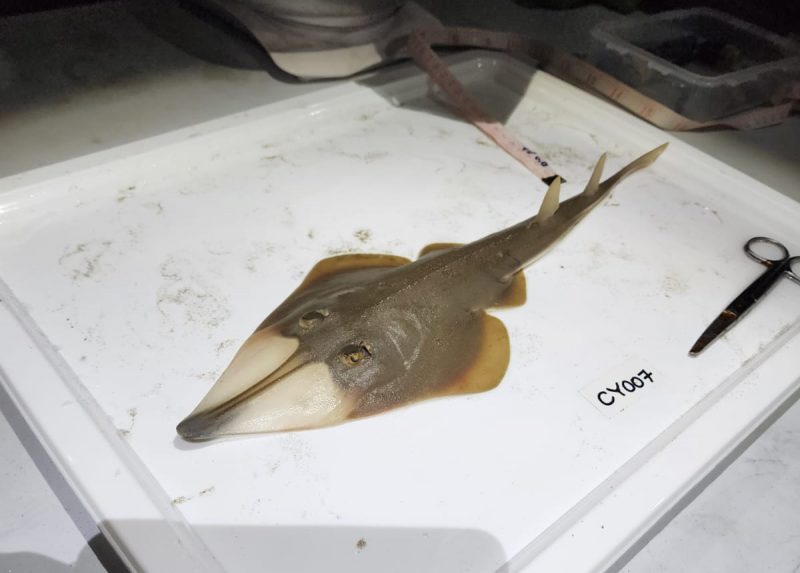
https://youtu.be/r0ZO_eo8YO8A collaboration between the Apex Marine Predator lab of The Morris Kahn Marine Research Station, MER research institute , and ISea , funded by the Blue Marine Foundation executed a seven-day expedition to Larnaca in Cyprus.Sightings of blackchin guitarfish (Glaucostegus cemiculus) neonates from both the Israeli and Cypriot coastal waters brought the two research teams together to better understand the biology and population connectivity of this critically endangered species in…
Physeter macrocephalus
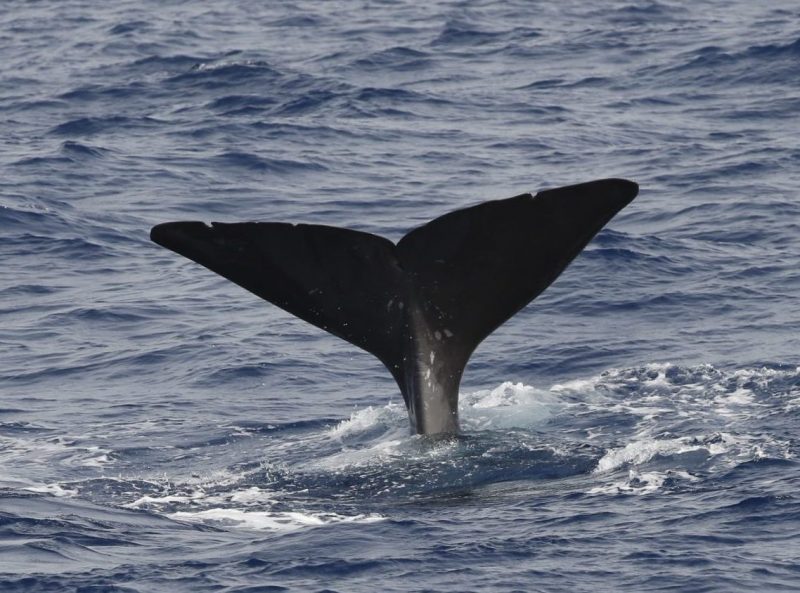
The largest-toothed whale. The Mediterranean population is thought to include fewer than 2,500 mature individuals that face numerous threats and are in decline. They are known to inhabit offshore and continental-slope waters, foraging almost exclusively on squids. There have been Anecdotal reports of sperm whales to the north of the Israeli EEZ on social media, but their distribution is still unknown in our region. Deep sea acoustic surveys started in…
